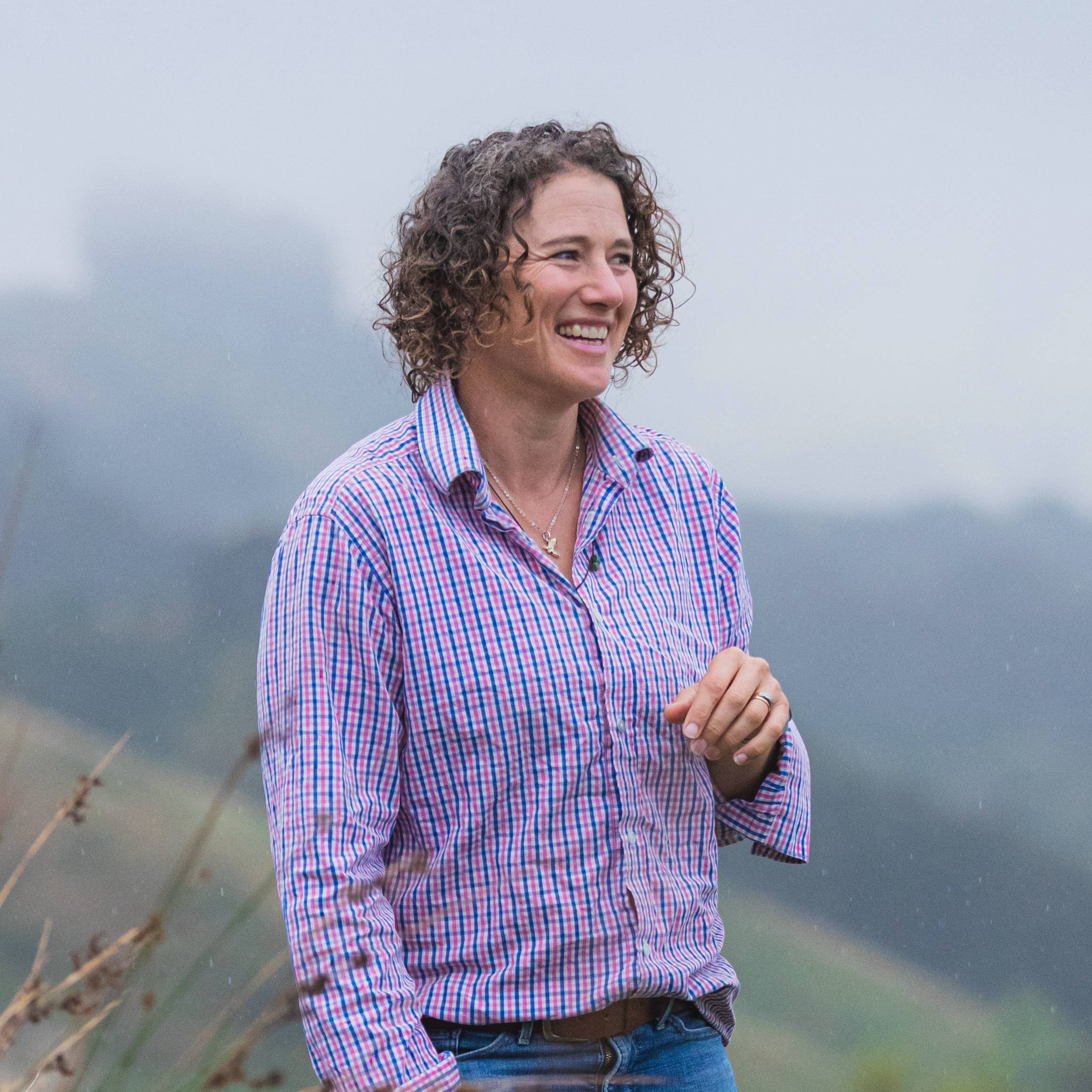
How I started feeling comfortable lifting again after four kids
While this doesn't paint me in the best light - I stopped lifting weight and being strong when I was in the middle of having my kids. they were all remarkably hideous sleepers and had bad food intolerances. I was ok with being a bit unfit, a bit weak and not very comfortable as there wasn't much option. Honestly, parenting these amazing kids was a bit like "nail yourself down" and "hang on" most days. I was fine, I could do all the jobs around the house and orchard, I could help out on Mum and Dad's farm and I could carry two kids at once all day at events.
But, my wakeup call was a sunny Saturday when we bought a new fridge for the house we had moved in to, and I could wear a dress - because I had to ask the neighbour to come and help my husband move the fridge. I didn't have the confidence in my own strength to do that. I was ok with it.
Then I realised I absolutely wasn't ok with not being able to move a fridge. And I was not ok not being able to lift things onto the roof of the car so I could go on adventures with my kids. And I was not ok not being able to run any more.
And while I’ve been lifting pretty heavy weights, on and off since about 2000 (I had a belt and straps way back then) - I’ve never been taught how to manage pressure. I’ve been taught how to “brace” my core by breathing into my abdomen as much as I could – and pressing against that belt.
You can only imagine how that went after I had kids. Then I started to return to lifting, but... it wasn’t fun and I stopped lifting, thinking it was causing damage (side note, and I’m not getting into it here, because that’s a whole new side quest – it’s less likely to be causing damage than we thought).
Then I looked at the mechanics of it – and a big breath, deep into the abdomen, plus the load of the weight and muscle pressure required to lift it? Dropping straight to the pelvic floor.
I spent a considerable amount of time pondering this, and then realised that my breathing mechanics training (2008) was probably the best place to start.
I began working through some concepts and learning from some smart people, so that I could work out what worked best in my body, and develop cues that work in the real world .
So, when you work with me, you aren’t going to hear
“Brace your core.”
“Tighten your tummy.”
“Hold your breath.”
“Pelvic floor on.”
Because your body is more than the sum of it’s parts. (You know you have heard me say this in other ways).
And also, that’s the best way to totally muck up a lift. Trying to remember all kinds of things about all kinds of parts of your body like it wasn’t designed to do this in the first place, and all your damn thinking might be what got you here in the first place.
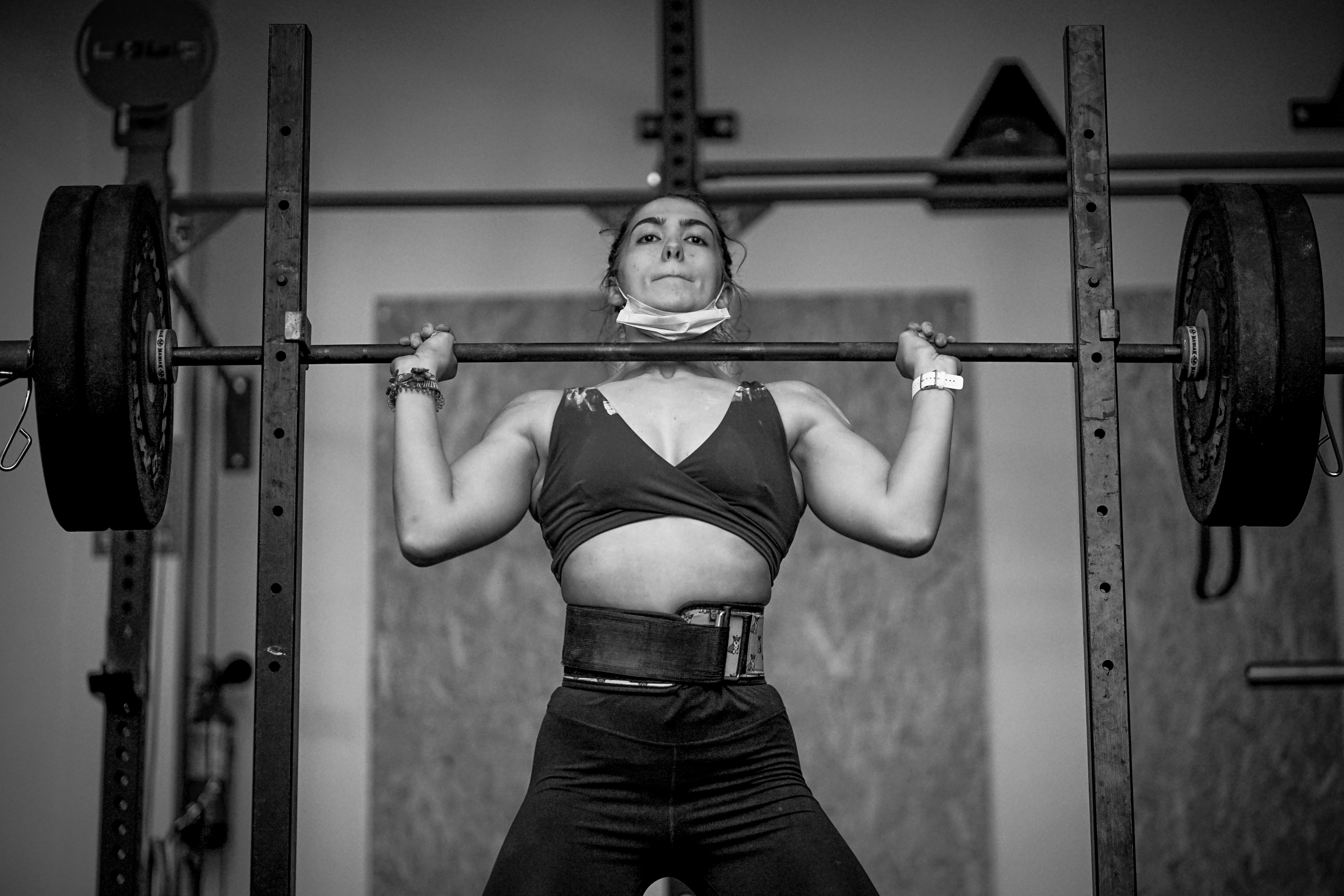
These cues don’t make you feel amazing.They make you feel uncoordinated and as if you are using a new thing you bought with an bloody instruction manual (and that was written by someone who doesn’t have English as a first language) instead of the damn body you were born with. You have known it since it was a single cell. But now you are being told to work it in parts, and that just isn’t serving you any more.
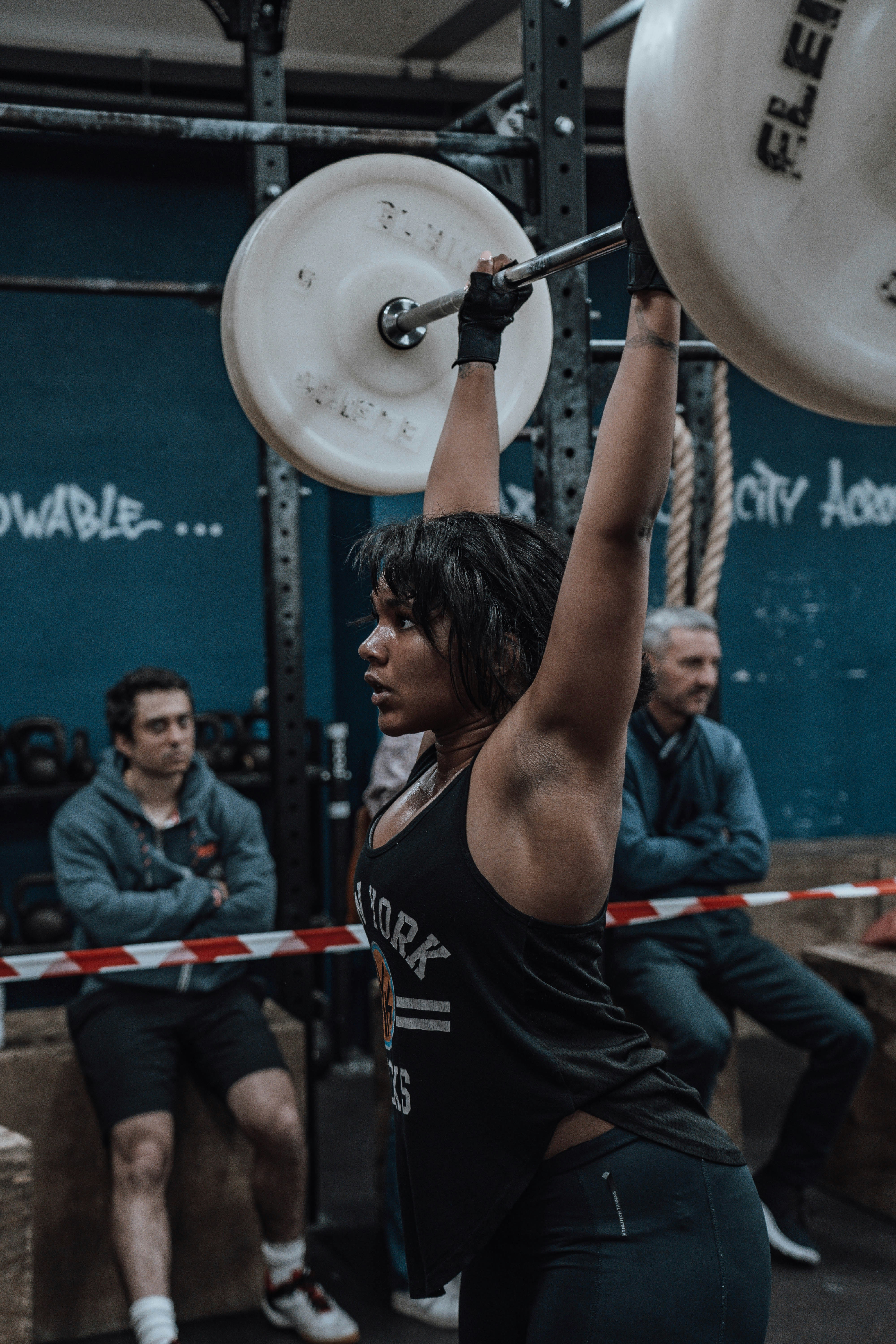
If we are trying to change how we do it - Of course you have to think, and of course you have to change how you are doing this now – because you have been working off the instruction manual, but it was missing parts – or rather, the whole body.
Of course your body has to manage pressure when you lift.
But it’s not got to be as complicated as all that.
Pressure management isn't the same thing as bracing as hard as possible. Because that forces pressure straight down.
Put simply, our trunk creates the support for the task, connects the body to the floor and the lower body to the upper body, coordinates breathing (so key) and creates support for the task, varying as the task changes and with load and positioning (it’s complicated, so of course someone decided it had to be complicated.
Pressure needs to be the right amount for the right job, we don’t need a full brace for grabbing the salt compared with lifting a calf off the ground (or whatever weight you want to rip around).
Here’s a wee thing to try
Sit or stand comfortably. Take a massive breath in to your stomach. Hold your belly tight, and now try to breathe and try and move your arm – notice how much concentration is required.
Then relax.
Now I want you to breathe all the way out – no air left.Feel that tension in your belly.
Keep that – in a controlled way, and breathe in (through your nose) into the sides and back of your chest. Try and move your arm again.
What do you notice?
Why does this matter when you lift?
There are plenty of people ripping the tits off weights and still using the Valsalva bracing technique. If this is what you are using for heavy lifts,(1 RM type situations) I’m not suggesting you try something else. That’s not where my expertise lies and I would work with my coach on what works best.
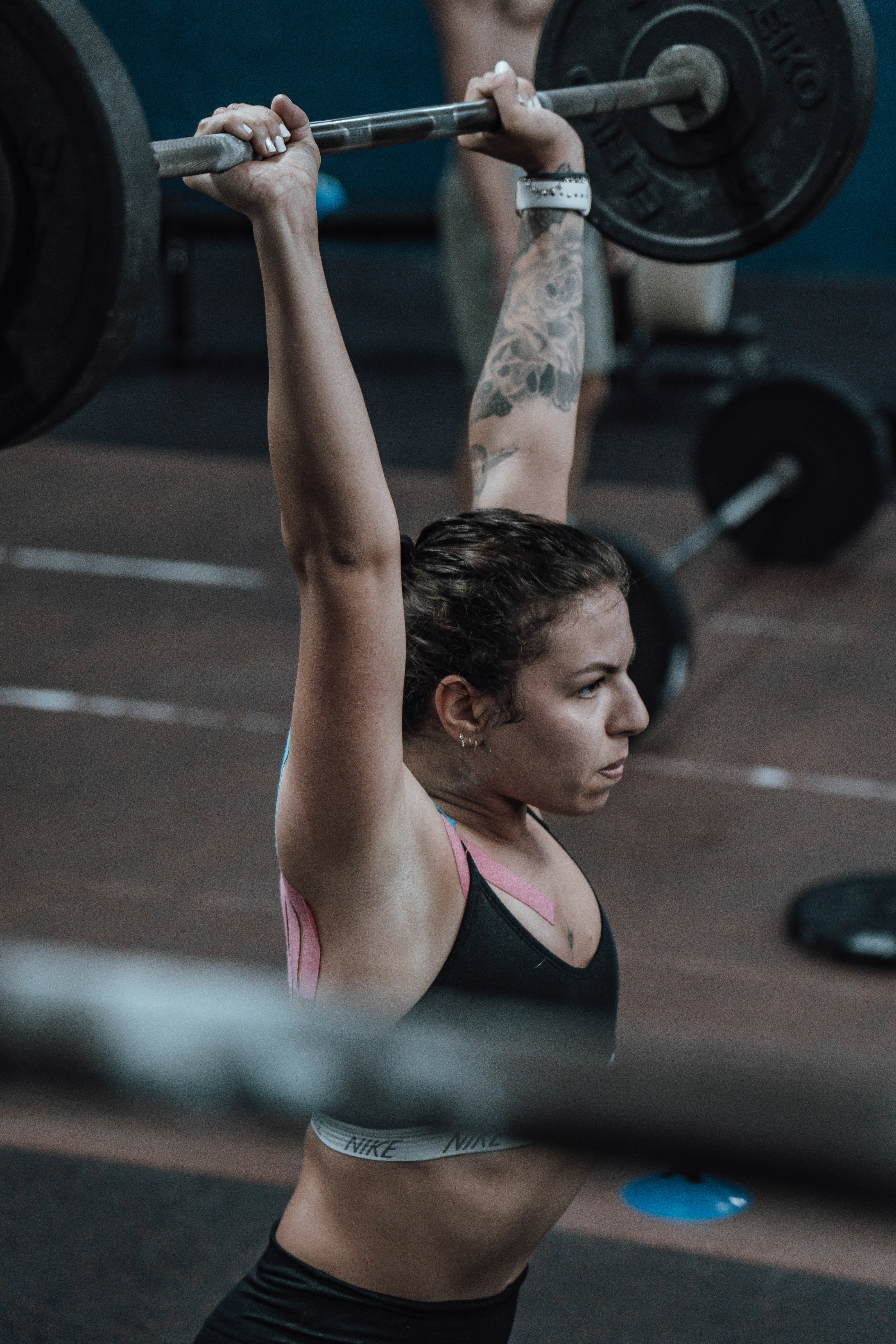
But, for regular strength training, from 3- 5 reps and up, this is what I’ve found to be one of the best ways to improve my lifting – often without changing my strength (e.g. I can change this from set to set, with breathing.).
Why is this? Because breath holding (as above) creates tension and is hard to do. It’s therefore hard to manage changes in positioning, and to change the pressure in the trunk while moving.I find myself dumping pressure down low in my abdomen, holding my breath, holding everything tight and having to brace harder, when there is nothing left to give. I even find some positions that I can’t brace. The other thing is that all the pressure is in the abdomen. With the other breathing – the same pressure is created, BUT it goes to the ribs and back of the trunk as well, and the distribution is better.
We aren’t after a perfect brace.
There isn’t one way to do things. It’s about being strong, coordinated and adaptable. But, it's good to be able to know how to vary things.
I built Pressure Management because I see this time and time again and that the information isn’t out there and easy to get to and use. I want people out there using their bodies instead of thinking about all the moving parts. I want them confident in their lives and their movements and getting stronger.
Pressure management starts at the start – and I don’t ask you to stop lifting in the meantime (because I get that). Stage 1 is learning to connect, ribs, breathing, trunk pressure and diaphragm/pelvic diaphragm coordination.
Stage 2 starts with lighter weights while you are warming up/prep work while training squat, hinge, deadlift and presses.
Stage 3 is learning how to progress into heavier lifts – you are learning to manage your own body and what it needs for each lift.
If you want to learn how to do it like I have, I've put the whole process into Pressure Management — a self-paced course that takes you from breathing and positioning through to managing pressure during lighter and heavier lifting. Pressure management with me, isn't about bracing harder. It's about learning to manage pressure as you move and live your big life.